
PetroChina: The Xinchuang Practice of an Energy Giant
Open Innovation, Empowering Customer Success

A Pillar of the Nation in the Energy Industry
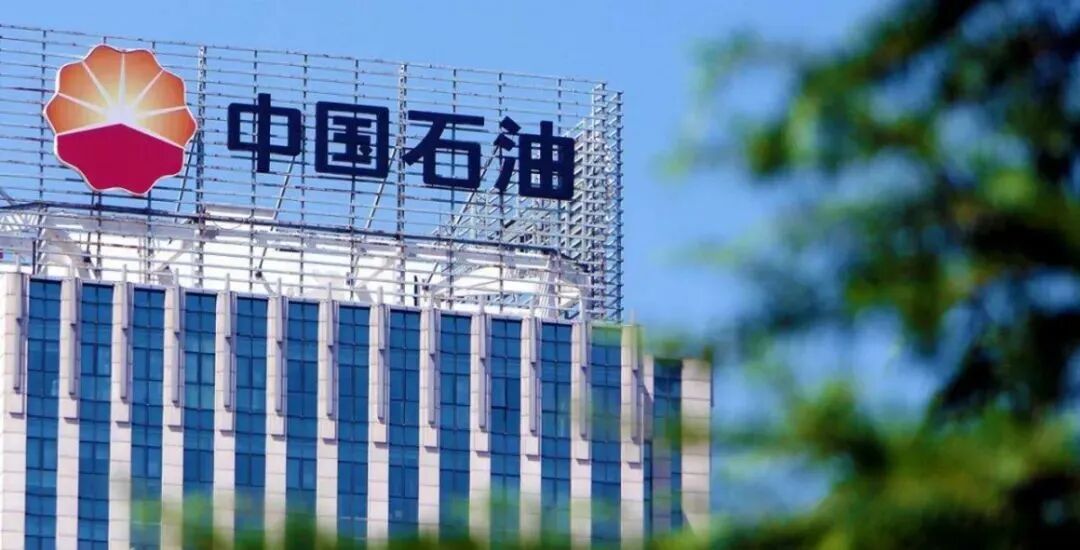
As a key state-owned backbone enterprise, China National Petroleum Corporation (PetroChina) is a core force in safeguarding national energy security. Its business spans the entire industrial chain, including oil and gas exploration and development, refining and marketing, and new energy. It manages energy assets on the trillion-yuan scale and serves hundreds of millions of users nationwide, ranking fifth on the 2023 Fortune Global 500. As officially defined, PetroChina "shoulders the major mission of safeguarding national energy security and promoting national economic development." From oil fields in the northwest to offshore drilling platforms, from refining bases to urban pipeline networks, the operation of every inch of energy infrastructure is closely tied to the nation's economic lifeline. PetroChina is not only a leading force in the global oil and gas industry, but also a "pillar of the nation" safeguarding national energy security.
Innovative Practice Amid the Xinchuang Wave Among Central and State-Owned Enterprises
Against the backdrop of the accelerating implementation of the IT application innovation (Xinchuang) strategy among central and state-owned enterprises, PetroChina, taking "safeguarding national energy security" as its mission, actively responded to the strategic deployment of "strengthening the innovative application of key technologies" outlined in the 14th Five-Year Plan for Digital Economy Development, making digital transformation the core driver for upgrading the energy industry. As an energy central enterprise vital to the lifeline of the national economy, its digital transformation is not only a technological upgrade, but also an important practice in implementing the national strategy of "self-reliance and strength in science and technology"—by building an independently controllable IT technology system, breaking the long-standing dependence of core business systems on foreign products, and achieving domestic replacement of "digital energy" infrastructure in key areas such as exploration and development and refining and marketing, thereby setting a benchmark paradigm for the energy industry's Xinchuang initiative. Apusic deeply participated in its middleware domestication upgrade project, injecting digital momentum into the IT architecture of this "energy giant" with a focus on "independent controllability and intelligent O&M."
Technical Breakthroughs: Customizing a Digital Foundation for an Energy Giant
The "Three Critical Challenges" at the Middleware Layer
The need for technological autonomy: Most early systems relied on foreign middleware, carrying the risk of technology "chokepoints." There was an urgent need to build a secure and reliable underlying architecture and achieve "independent controllability" of core technologies.
The IT governance dilemma: Facing a complex IT architecture composed of tens of thousands of servers and hundreds of types of middleware, traditional manual management was like "manual prospecting"—cross-departmental asset reconciliation consumed enormous O&M manpower, and resource scheduling efficiency was low.
O&M response pressure: Fault localization in core systems depended on foreign vendors, and average recovery from major incidents took more than 48 hours—like an "emergency repair" on an energy pipeline without autonomous tools, seriously affecting business continuity.
A Three-in-One Solution: Apusic's Path to Technical Breakthrough
Facing PetroChina's business challenges, Apusic built an integrated solution adapted to the Xinchuang strategy with its "secure, intelligent, and cloud-native" product system, centered on three cores: "full-stack domestic replacement, unified middleware management, and intelligent O&M empowerment."
Full-stack domestic middleware replacement and smooth migration: Replacing foreign components with a self-developed middleware product system covering core modules such as application servers, message queues, and caching services. Working with PetroChina, Apusic completed full-chain compatibility verification between domestic middleware, databases, and operating systems, ensuring compliance with the petroleum industry's highest security standards, and achieved "zero-interruption migration" of business systems through "containerized packaging + hot deployment technology."
A unified middleware service management platform: Through a microservice-based dynamic collection engine, full-lifecycle automatic registration was implemented for tens of thousands of servers and hundreds of types of middleware, building a three-dimensional "asset–application–business" relationship map that completely solved the "black box" problem of manual ledgers. A Web console based on the B/S architecture integrates middleware deployment, configuration management, version upgrades, and other functions, supporting cross-departmental collaborative management and enabling visualized middleware management.
Building an intelligent O&M system: AI algorithms analyze middleware runtime logs and performance metrics to identify potential risks such as memory leaks and thread blocking in advance, greatly reducing fault localization time and upgrading the O&M model from "passive response" to "proactive prevention."
From IT Efficiency Gains to Empowering the National Energy Strategy
Quantified Results: Empowering PetroChina's Efficiency Improvement
After the project went live, PetroChina's IT governance efficiency improved significantly: system fault localization time was greatly reduced, server resource utilization rose markedly, O&M manpower input dropped substantially, and considerable hardware investment was saved; the digital infrastructure completed full-stack domestic replacement, achieving technological independence and controllability.
Strategic Value: Strengthening the Digital Foundation of National Energy Security
Full realization of technological independence and controllability: The system foundation built on domestic middleware completely broke free from dependence on foreign technology, achieving "independent innovation" of the IT architecture with core technologies firmly in its own hands.
An acceleration engine for business innovation: New application deployment cycles were greatly shortened, enabling rapid launch of future business systems and empowering business innovation and expansion in the energy industry.
Industry benchmark demonstration effect: The project created a "secure, intelligent, and cloud-native" Xinchuang foundation for the energy sector, providing a replicable "digital energy" transformation paradigm for nationally critical industries such as electric power and chemicals.
In this project, Apusic empowered PetroChina's digital transformation and Xinchuang upgrade with its independently controllable middleware technology system. Apusic has always taken "driving innovation and development in China's foundational software industry" as its mission, marching forward shoulder to shoulder with pillars of the nation like PetroChina, interpreting the contemporary meaning of "independent controllability" through technological innovation, and contributing core strength to the digital and intelligent upgrading of the nation's critical industries.
Apusic is one of the earliest representative companies in China to independently develop foundational middleware. Over 25 years of development, it has grown into the "preferred brand of domestic middleware users." Its self-developed foundational middleware products—including application servers, message middleware, data caching, and load balancing—are widely used in key industries such as finance, energy, telecommunications, and transportation. The pursuit of product excellence never stops, and helping customers succeed remains our unchanging guiding value!
Latest News
Driving Innovation and Development in China's Foundational Software Industry
Driving innovation and development in China's foundational software industry

High-Quality Development: Interim Results Review